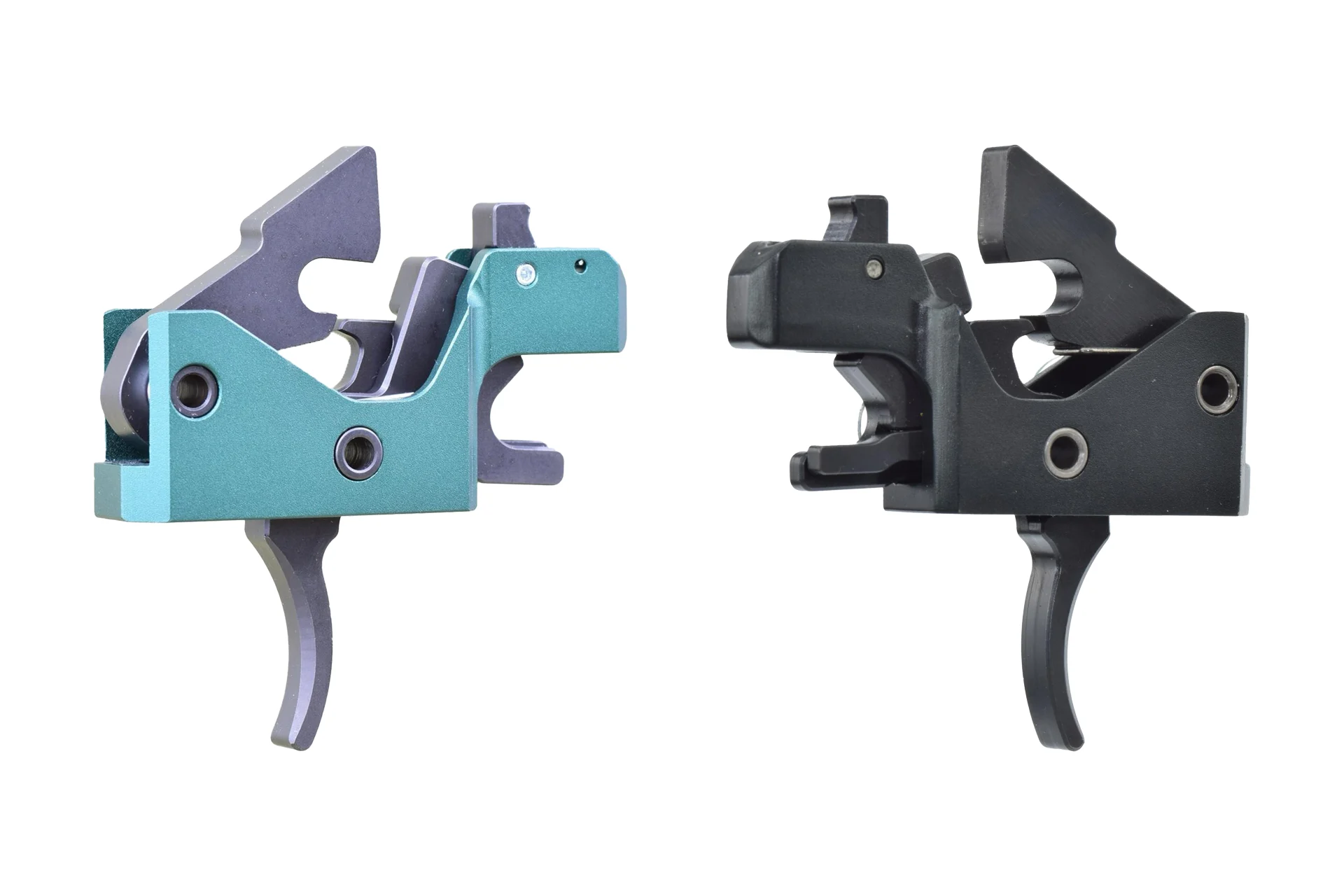
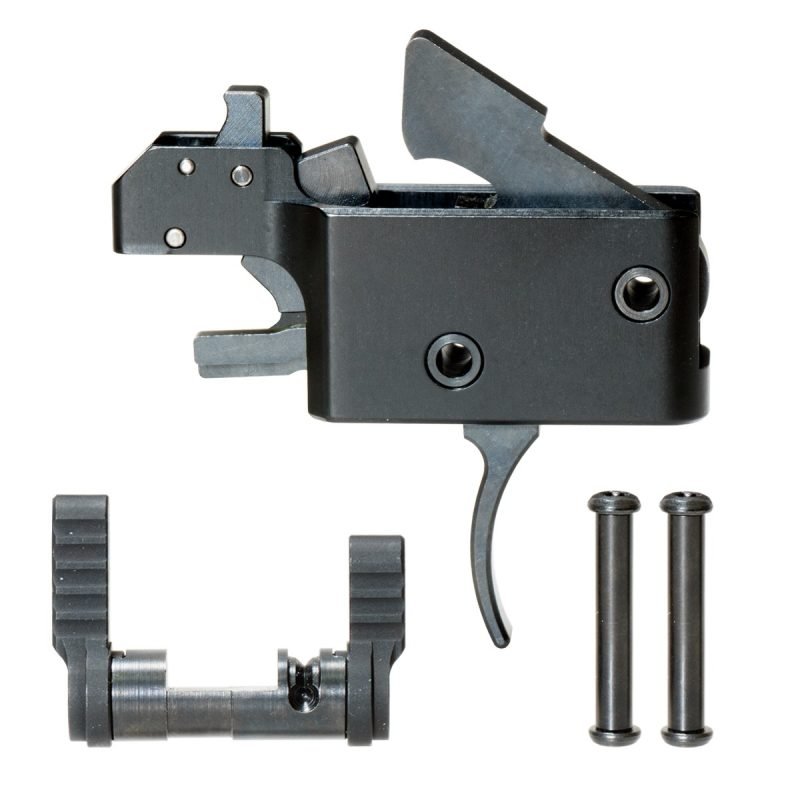
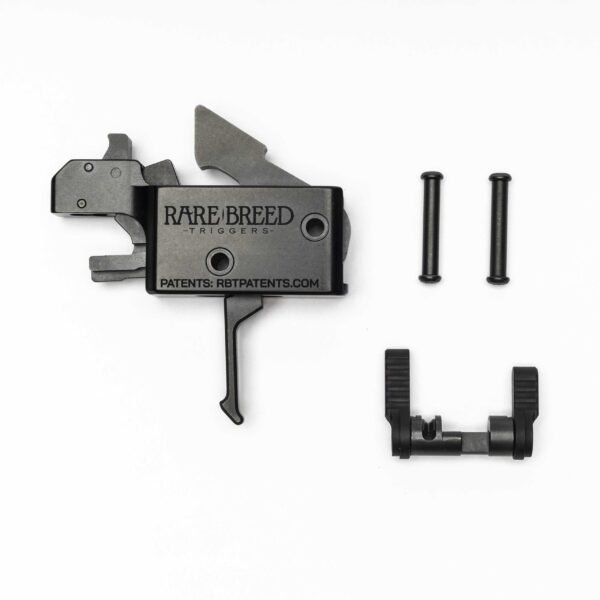
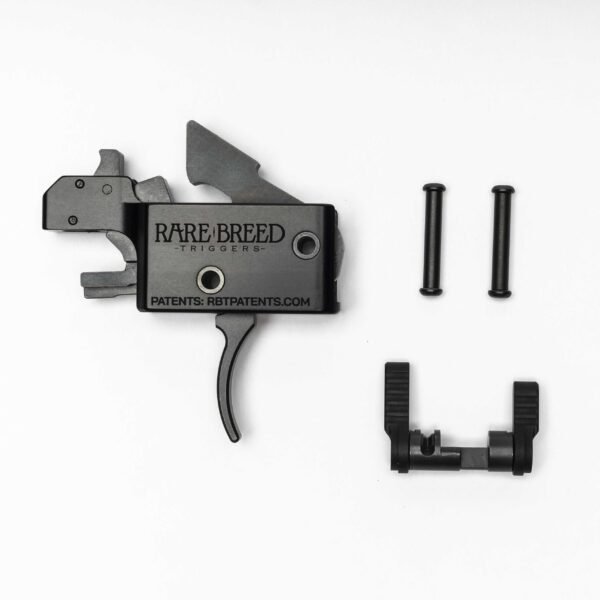
All Firearms Are Dangerous | Fact Check — No, Forced Reset Trigger is Not a Binary Trigger
Introduction
At the core of firearm engineering are trigger systems. Different trigger designs interpret the firing cycle in distinct ways, directly influencing how the firearm operates.
Forced reset triggers are often mentioned alongside another trigger type, binary triggers. Although both designs frequently appear in conversations about firearm technology, they describe fundamentally different mechanical principles.
To understand why they are distinct, we need to delve into how these trigger systems interact with the firing cycle.
Overview of Semi-Automatic Trigger Systems| Forced Reset Trigger vs Binary Trigger
The majority of AR-15 rifles rely on semi-automatic trigger systems. In a semi-automatic firearm:
It fires one round for every pull of the trigger.
A reset of the trigger is required before firing again.
The internal components automatically manage the firing cycle after each shot.
This simple yet effective system is the foundation of many firearms, and it's essential to understand this to distinguish other trigger types.
Binary Trigger Concept
Binary trigger setups are designed so that the firearm discharges its projectile during two phases of the trigger pull:
First press: The firearm fires one round.
Release: A second round is discharged during the release of the trigger.
This two-stage mechanism often leads to binary triggers being categorized as a separate trigger system due to its unique operation.
Forced Reset Trigger Concept
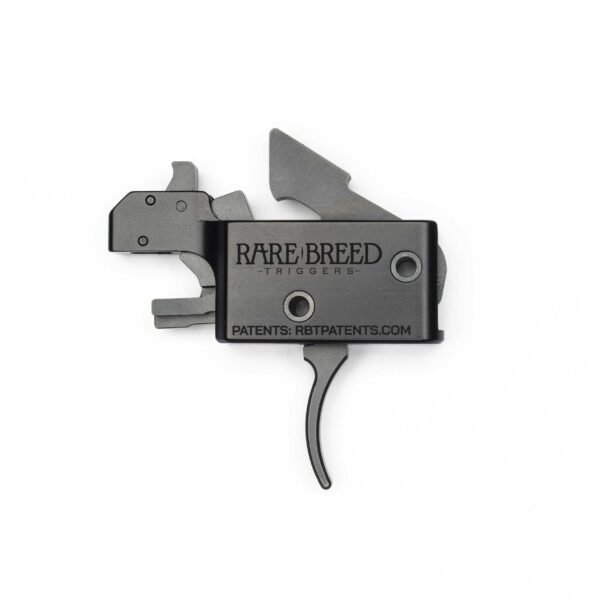
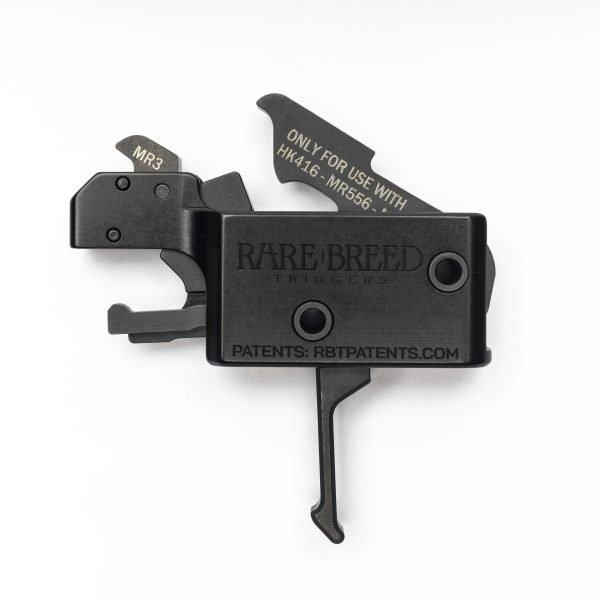
Forced reset triggers rely on internal components to determine how the trigger resets during the firing cycle.
Unlike traditional semi-automatic triggers, forced reset triggers focus on the mechanics of the reset process itself, rather than solely on the shooter’s interaction with the trigger. These systems are often a focal point of engineering discussions because they differ fundamentally from standard semi-automatic trigger designs.
Key Differences in Mechanical Approach
While both binary triggers and forced reset triggers are commonly discussed in firearm accessory circles, their mechanical approaches are quite different.
Binary triggers focus on two phases of trigger movement: one during the pull and the other during the release.
Forced reset triggers focus on how the trigger resets during the firing cycle, driven by internal mechanisms rather than shooter control.
Understanding these conceptual distinctions helps explain why these systems are often compared, despite their different designs and functions.
Regulatory and Legal Considerations
Trigger systems, including binary triggers and forced reset triggers, are subject to regulatory interpretations and legal frameworks. In the United States, federal firearm regulations are enforced by the Bureau of Alcohol, Tobacco, Firearms and Explosives (ATF).
Additionally, some states have their own firearm accessory restrictions that go beyond federal regulations. Since gun accessory laws can evolve, those interested in these systems often consult official regulatory guidance to stay updated.