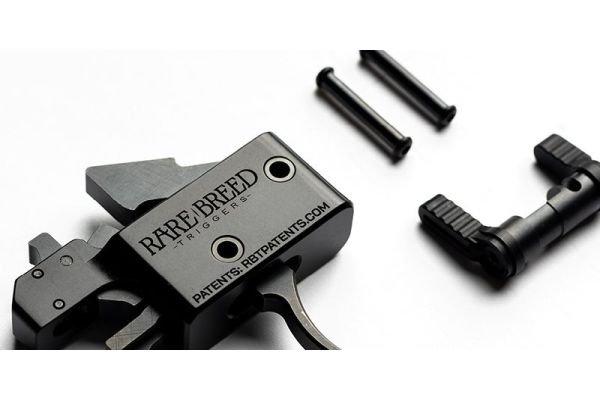
FRT-MR3 & FRT-15L3: Clarifying Trigger Technology Discussions
Introduction
In discussions surrounding AR-15 trigger technologies, specific trigger models often come up as part of broader conversations about firearm engineering and accessory design.
When terms like “FRT-15L3 vs FRT-MR3” are mentioned, the focus typically centers on high-level differences in trigger system design philosophies and how trigger reset mechanisms integrate into the physics of firearms engineering.
Trigger Technology in the AR-15 Platform
The modular architecture of the AR-15 platform allows for a wide variety of trigger designs. This flexibility bolstered by technological advancements and modern manufacturing methods has empowered engineers and manufacturers to experiment with different mechanical approaches.
As a result, much of the conversation revolves around how trigger reset behavior, mechanical longevity, and component interactions vary across different designs.
Mechanical Concepts Behind Trigger Systems
When comparing various trigger designs, the discussion often turns to the following key concepts:
Reset Mechanisms: How the trigger resets after each shot and the impact on user experience.
Internal Component Interaction: The relationship between different internal parts, such as the hammer, disconnector, and sear, and how they affect performance.
Mechanical Timing: How the components of the firing cycle are synchronized and how timing impacts trigger performance and shooting experience.
These concepts form the foundation for much of the engineering discussions surrounding trigger systems.
Industry and Regulatory Context
As new firearm accessories and technologies are developed, regulatory agencies periodically reassess their applicability under existing firearm laws.
In the United States, the Bureau of Alcohol, Tobacco, Firearms and Explosives (ATF) is responsible for regulating federal classifications of firearms, including those affected by the National Firearms Act.
Due to evolving legal interpretations, conversations about firearm technology not only include engineering insights but also regulatory considerations that help shape how these innovations fit within the legal framework.