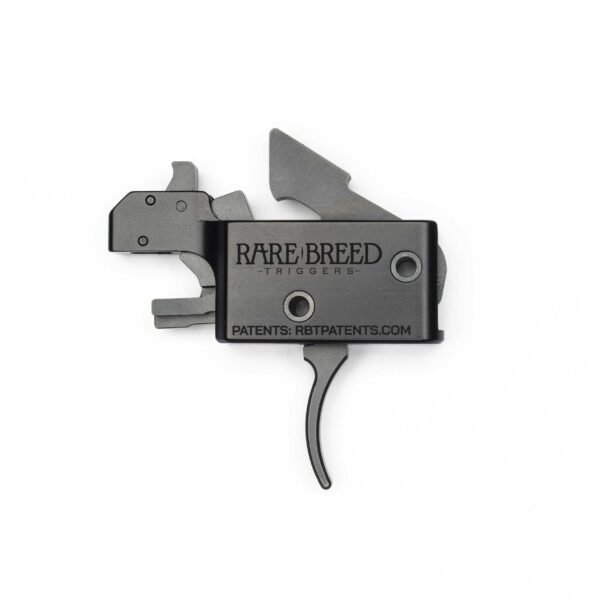
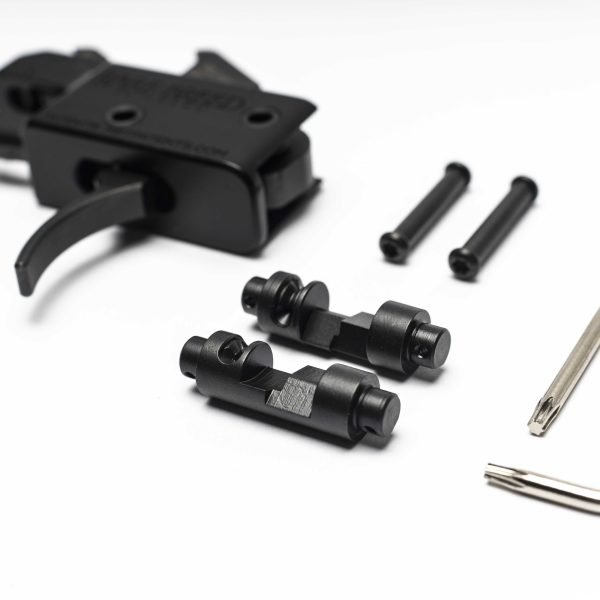
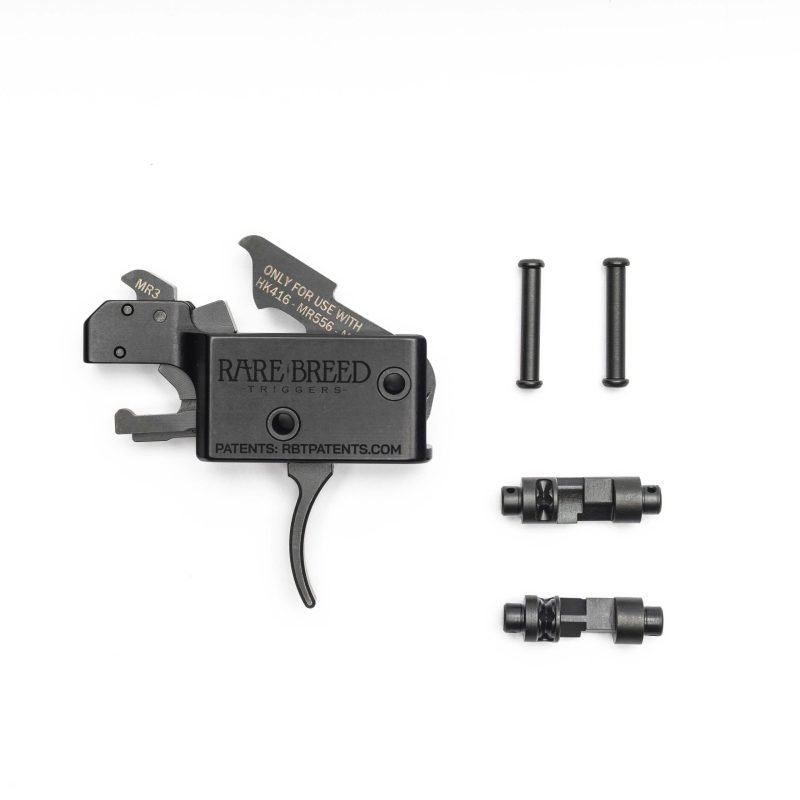
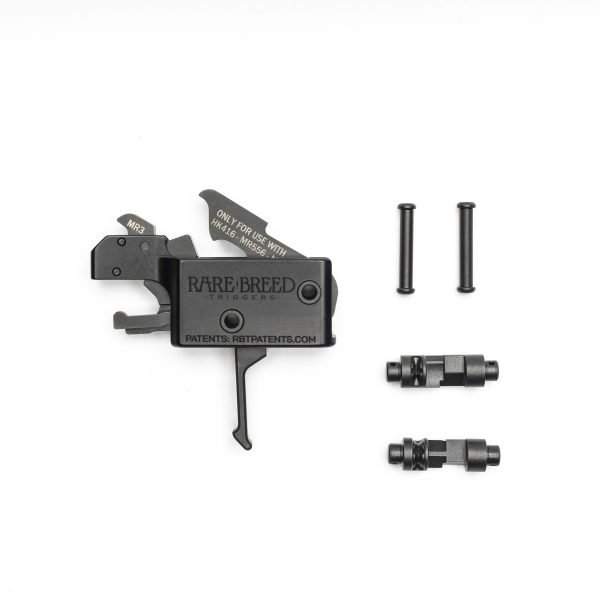
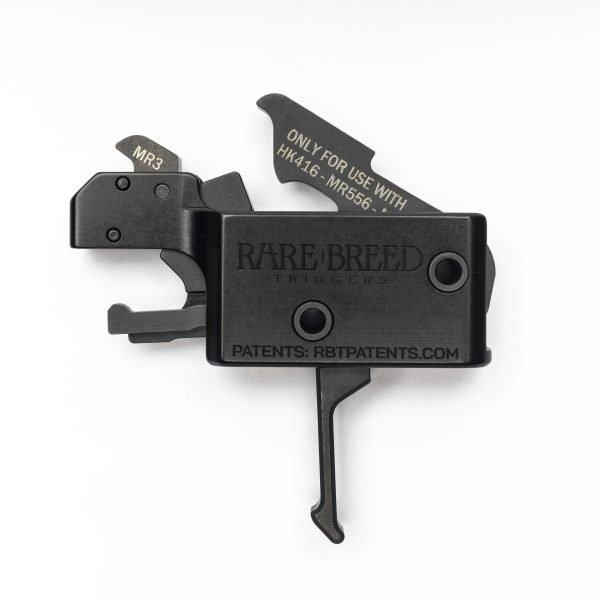
Best Forced Reset Trigger for AR-15: Knowing Trigger Technology, Design, and Legal Considerations
Introduction
Thanks to its modular design and plethora of customizable components, the AR-15 platform is one of the most widely talked about rifles in contemporary gun culture. Among those components, the trigger system is one of the most important parts of a firearm as it directly influences how the firearm operates through its firing cycle.
In recent years, one subject generating much discussion among firearm enthusiasts, engineers, and industry watchers is forced reset trigger technology (FRT). Phrases like "best forced reset trigger for AR-15" demonstrate a growing interest in how these trigger systems function and why they're becoming a hot topic in broader discussions about firearms accessories.
This article explores the fundamental aspects of AR-15 trigger systems, discusses forced reset triggers conceptually for a wide readership, and looks to spark broader discussions about trigger technology, safety concerns, and regulatory implications.
How Trigger Systems Work on the AR-15
The trigger system is the mechanical mechanism that starts the action in a firearm. Like many other components on the AR-15 platform, the trigger interacts with a number of internal parts during the firing cycle.
Key components of the trigger system typically include:
When the shooter pulls the trigger, a mechanism releases the hammer, which strikes the firing pin. This detonates the primer in the cartridge and fires the round.
After each shot, the internal action of the rifle cycles. The bolt carrier group recedes, ejects the spent casing, and chambers a new round from the magazine. During this process, the hammer resets, and the trigger must return to its rest position before the next shot can be fired.
Because the trigger system directly influences this firing process, it's a frequent topic of discussion in firearm engineering.
Understanding Trigger Reset
One critical function in this process is the trigger reset. This refers to the point at which the trigger returns forward after firing, making it ready for the next shot.
With traditional semi-automatic triggers, the shooter manually releases the trigger forward after firing. The reset occurs when the user can press the trigger again.
The characteristics of trigger reset affect several aspects of the shooting experience, such as:
Rhythm during repeated firing
Trigger control during target shooting
Sensation of the weapon in action
For these reasons, discussions around firearm triggers often focus on how the reset is accomplished internally in the mechanical design of the trigger group.
What Is a Forced Reset Trigger?
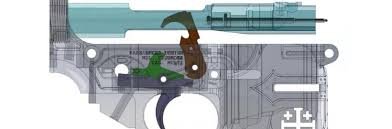
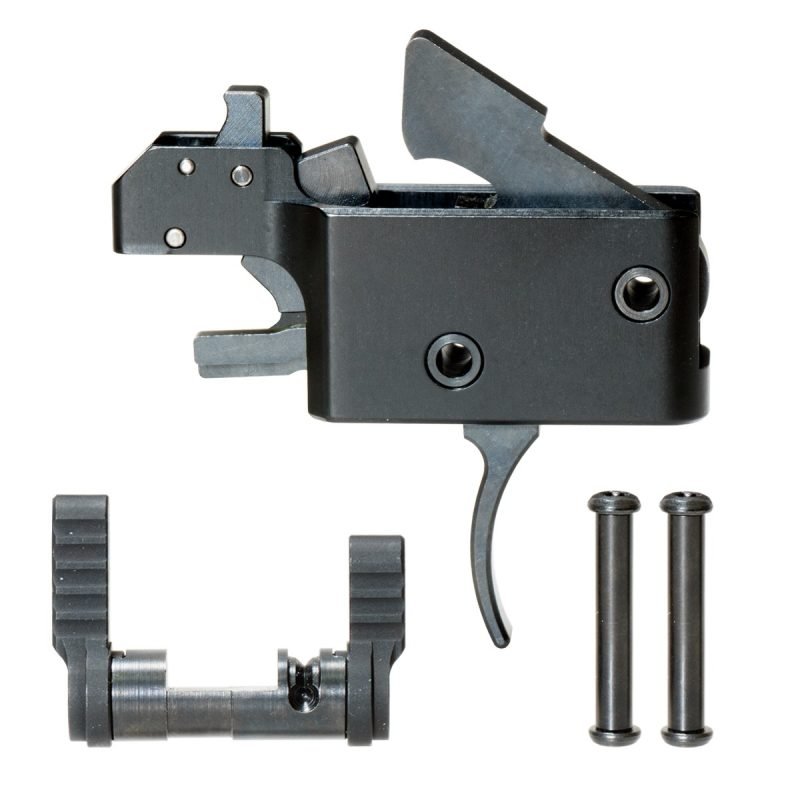
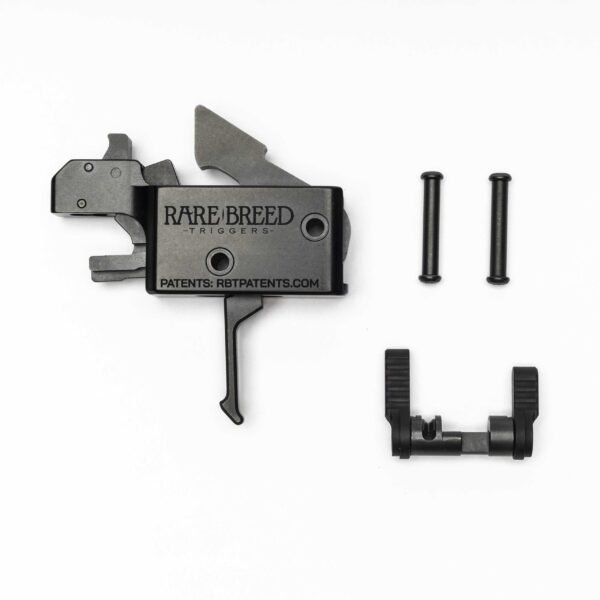
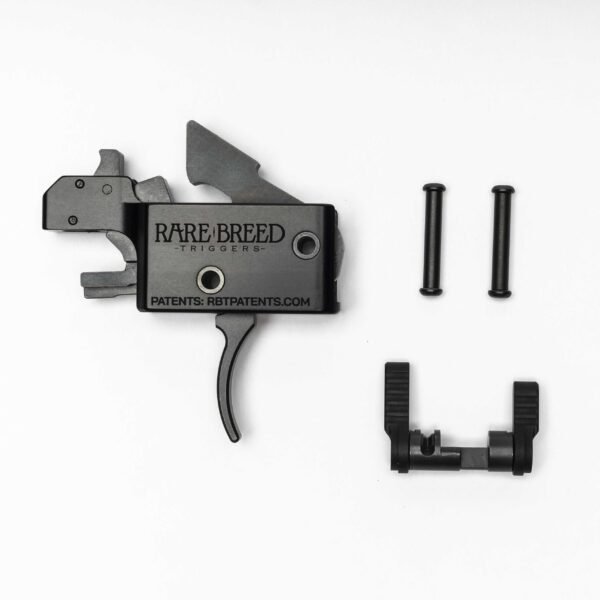
A forced reset trigger is a trigger design that utilizes internal mechanical components to dictate how the trigger resets during the firearm’s firing cycle.
In traditional semi-automatic trigger systems, the shooter controls the reset by releasing the trigger after each shot. In forced reset trigger systems, the mechanism automatically resets based on internal mechanical elements when the firearm cycles.
This difference in design has made forced reset triggers a hot topic in firearm engineering circles, as well as among enthusiasts who closely study their unique manipulative characteristics.
Why AR-15 Trigger Technology Gets Attention
No other aspect of firearm engineering has as significant an impact on the overall performance, user experience, and integration of a weapon system as trigger design. Even small mechanical changes can cause wide-ranging effects on how a firearm operates.
Here are some reasons why trigger technology remains a hot topic in firearms discussions:
Mechanical Precision: Engineers are continually seeking to perfect mechanical systems for greater accuracy and reliability. The trigger system is critical because it functions under constant mechanical stress.
Consistency: Consistency in trigger movement is important, especially for regular shooters or those involved in shooting sports. A consistent trigger pull leads to better control and more predictable results.
Engineering Innovation: As with other industries, firearms engineering is always looking for new ways to enhance existing technology. Trigger systems are often the focus of this innovation, as they directly affect the firearm-user interaction.
AR-15 Trigger Systems in Competitive Shooting
The AR-15 platform is also a popular choice in various shooting disciplines, from target practice to competitive shooting, such as XTC courses. In these settings, shooters focus on equipment consistency and reliability.
Trigger control is a vital skill in many shooting disciplines. A straight, consistent trigger pull can help shooters maintain stability and control, both before and after multiple shots.
However, certain competitions have specific rules regarding firearm equipment, so participants often review competition guidelines to ensure their gear complies with the regulations.