How Does a Forced Reset Trigger Work? Understanding Trigger Reset Technology
Introduction
In modern firearms, one of the most commonly mentioned mechanical terms is trigger reset. For AR-15 platform rifles, trigger reset is integral to how the firearm completes its firing cycle.
One trigger design that has gained significant attention in recent years is the forced reset trigger (FRT). These triggers have sparked discussions in firearm engineering circles and have even been brought up in regulatory dialogues.
Understanding how trigger reset works in general, and specifically how forced reset trigger systems operate, can help readers grasp why these designs are so frequently discussed in the firearms industry.
The Basics of Trigger Reset
For most semi-automatic firearms, the firing process follows a mechanical cycle:
The trigger is pressed.
The hammer is released.
The firing pin hits the cartridge primer.
The round is fired.
The firearm’s internal action cycles.
The trigger resets to allow another shot.
The reset point is when the trigger moves forward enough for the firearm’s internal mechanism to permit a second shot.
The characteristics of how this reset occurs can significantly affect the shooting experience. Many factors influence how a shooter perceives the action of a firearm, but trigger reset characteristics often play the largest role.
Optional: Replace Hip Test Release with a New AR-15 Trigger Group
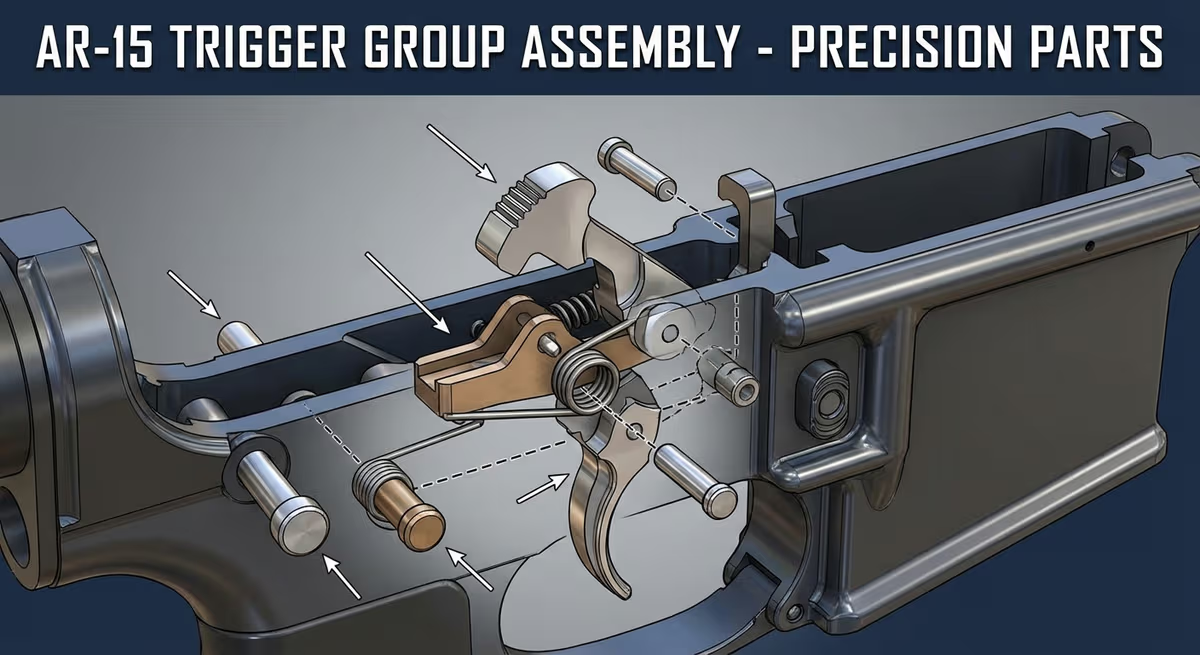
The standard AR-15 trigger assembly consists of several critical mechanical parts:
Trigger
Hammer
Disconnector
Trigger springs
These parts work together in the firing cycle. When the rifle cycles after being fired, the hammer is captured by the disconnector and is later released back to static contact with the sear on the trigger as it moves forward. This mechanism allows the gun to discharge one round with a pull of the trigger.
How Forced Reset Trigger Systems Work
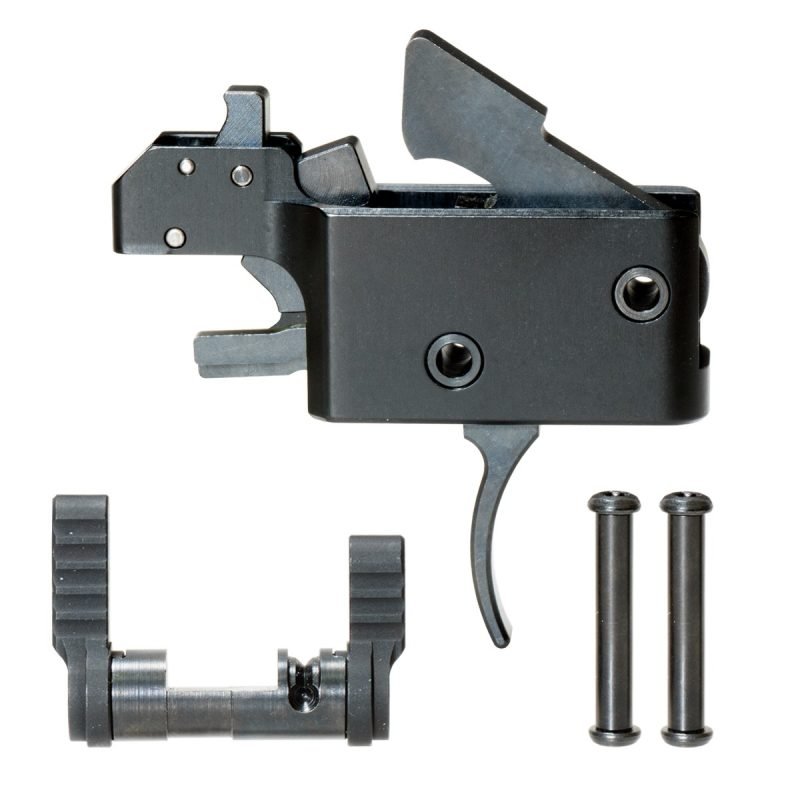
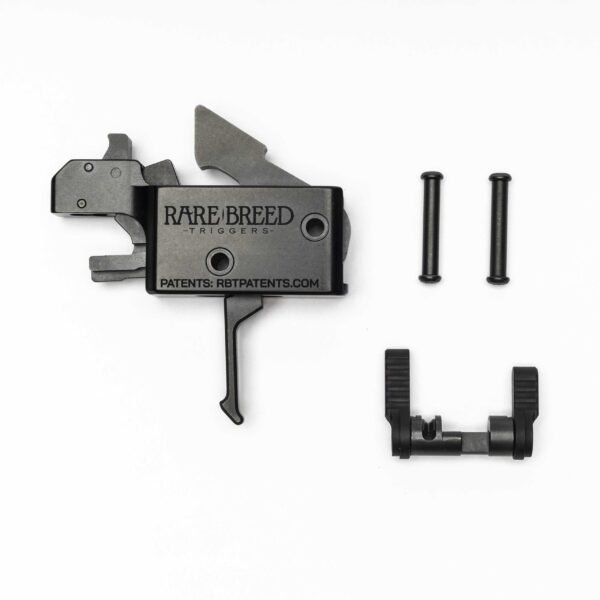
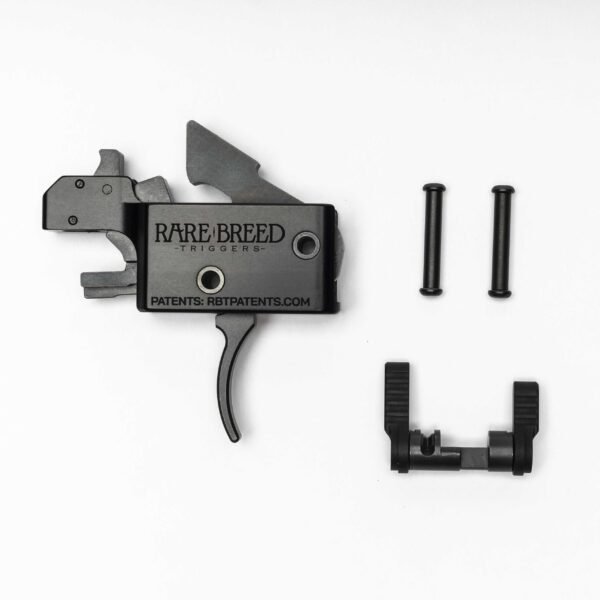
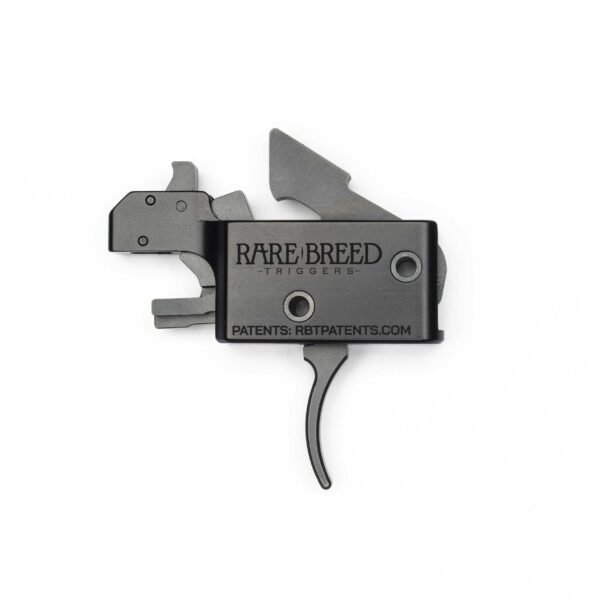
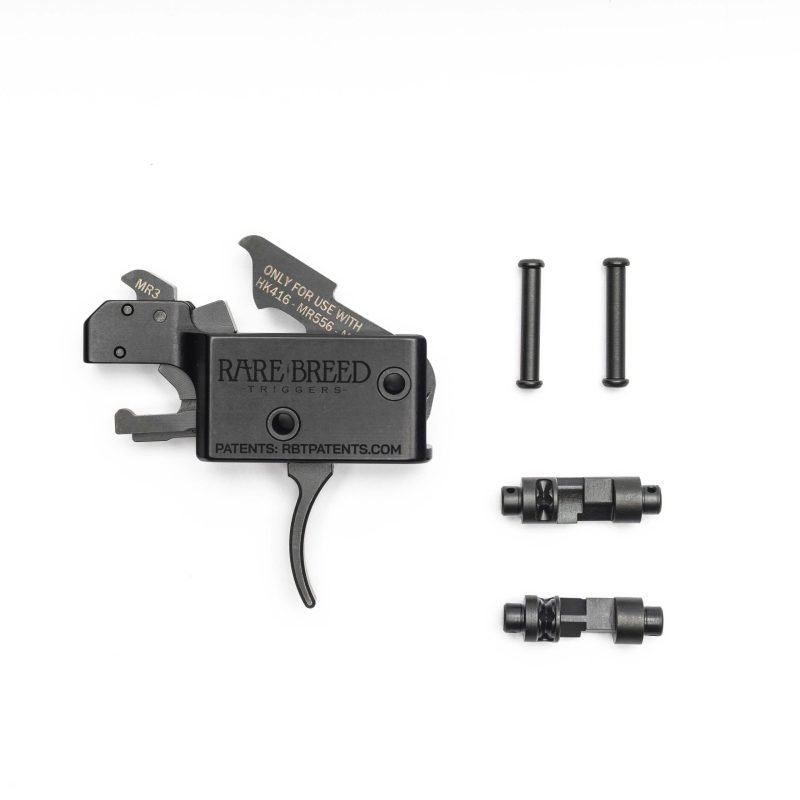
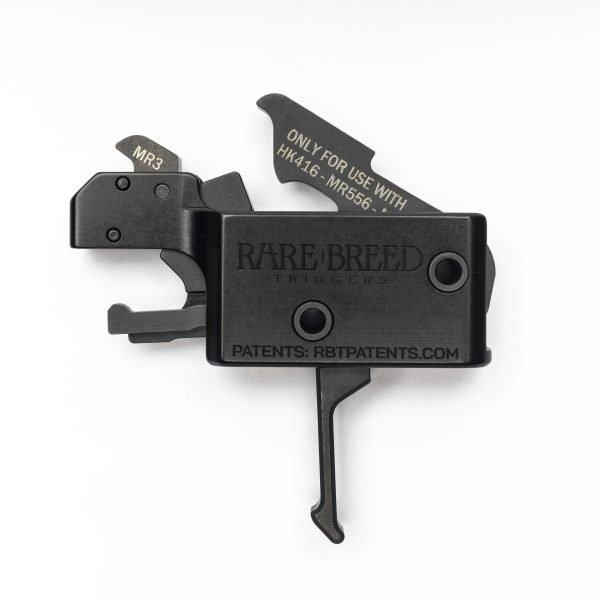
A forced reset trigger system is different from traditional semi-automatic triggers. In this system, the trigger reset is mechanically influenced by the firing cycle itself, rather than relying on the movement of the shooter’s finger to allow the trigger to reset.
The mechanism interacts with other internal components, influencing how the reset works. This self-contained reset process has generated considerable conversation among gun enthusiasts, engineers, and regulators due to its divergence from traditional semi-automatic trigger systems.